
A school might want students to search the web without receiving AI-written answers. Google's latest K–12 policy makes that choice harder than it sounds. The announcement highlights a wider issue for educators:

The educational label tells families little about what a child does on screen. Look at the task, adult guidance, stopping points and the evidence behind the claims.
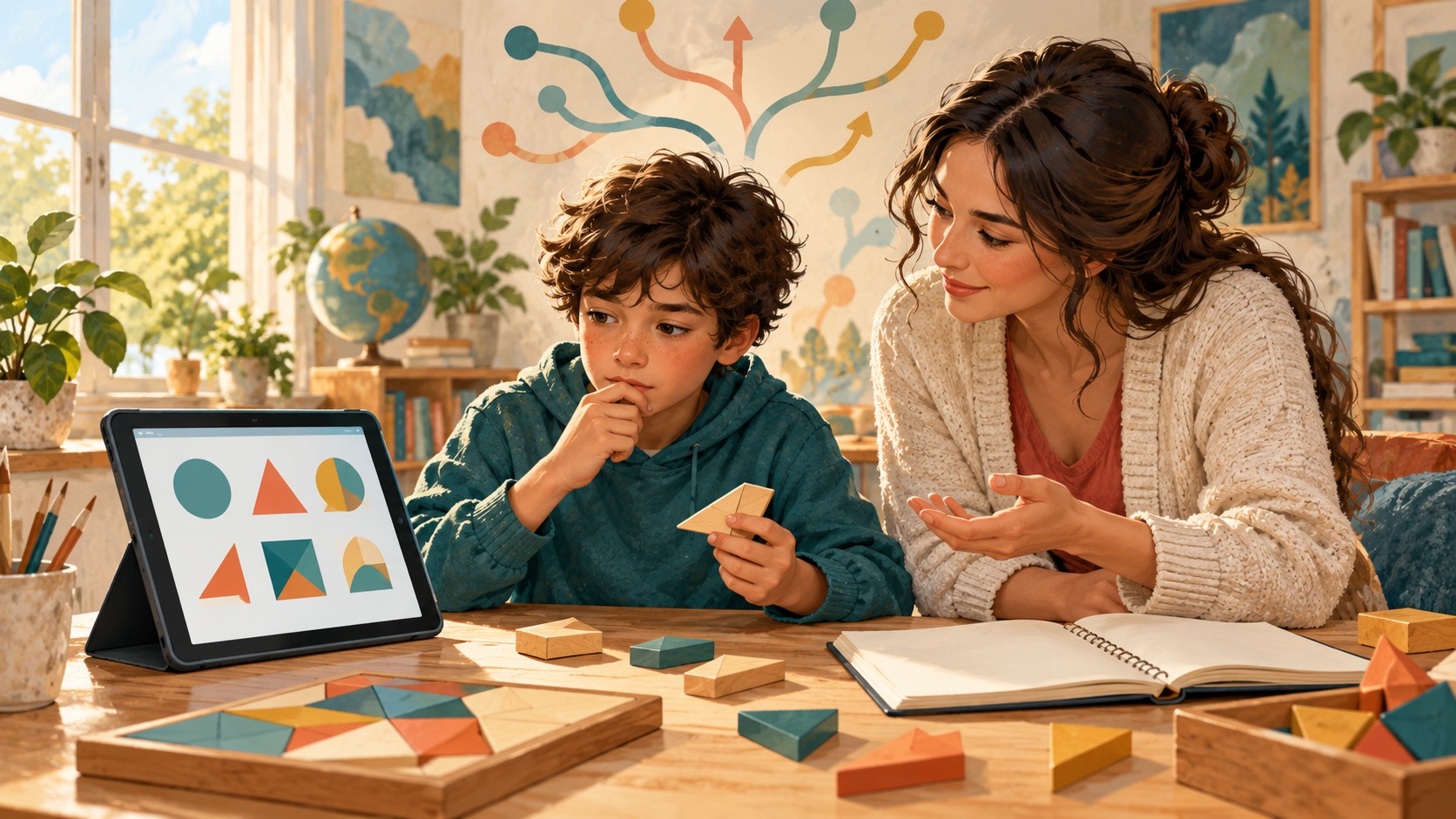
A new US survey finds that nearly half of 9–12-year-olds have used an AI chatbot or companion. Here is a practical way to keep children thinking for themselves.
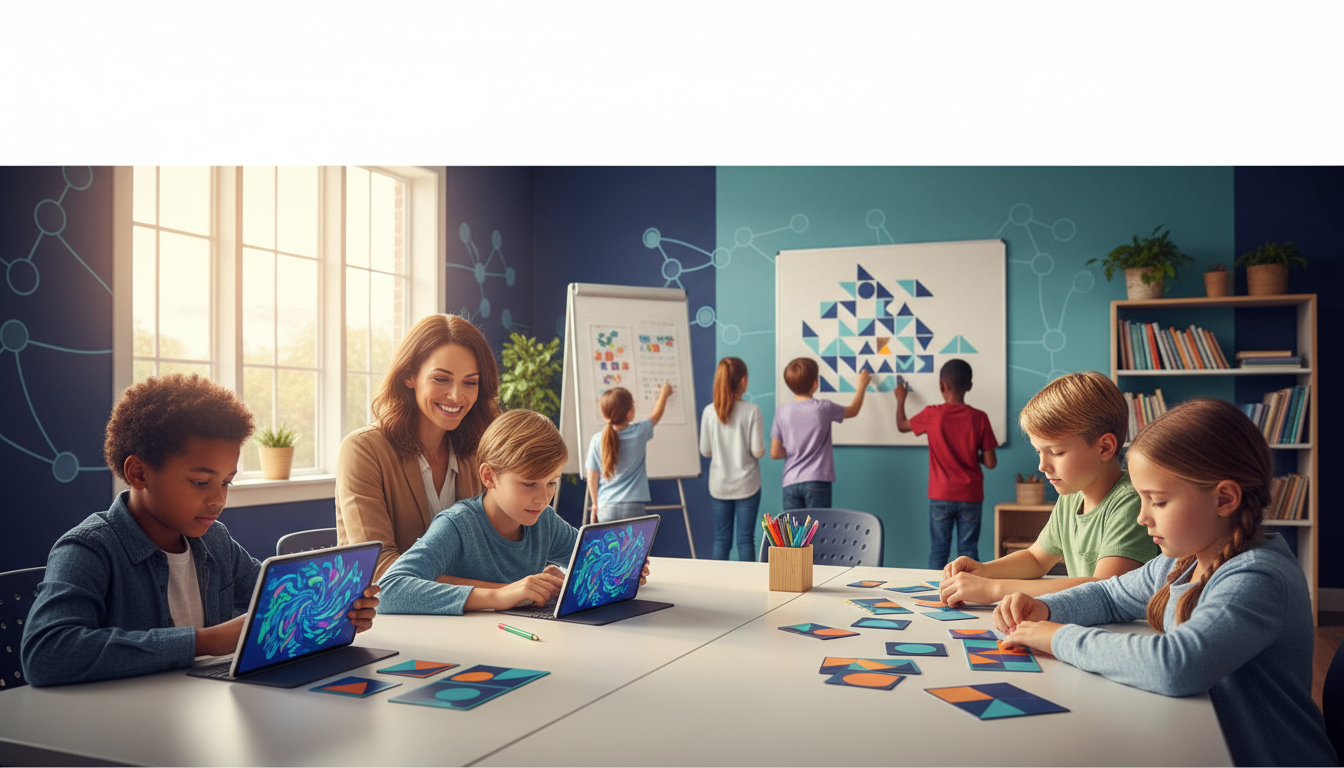
Discover BrainArk’s 24-session, teacher-guided cognitive training course for learning centers, combining AI-adaptive practice with collaborative challenges and parent resources.
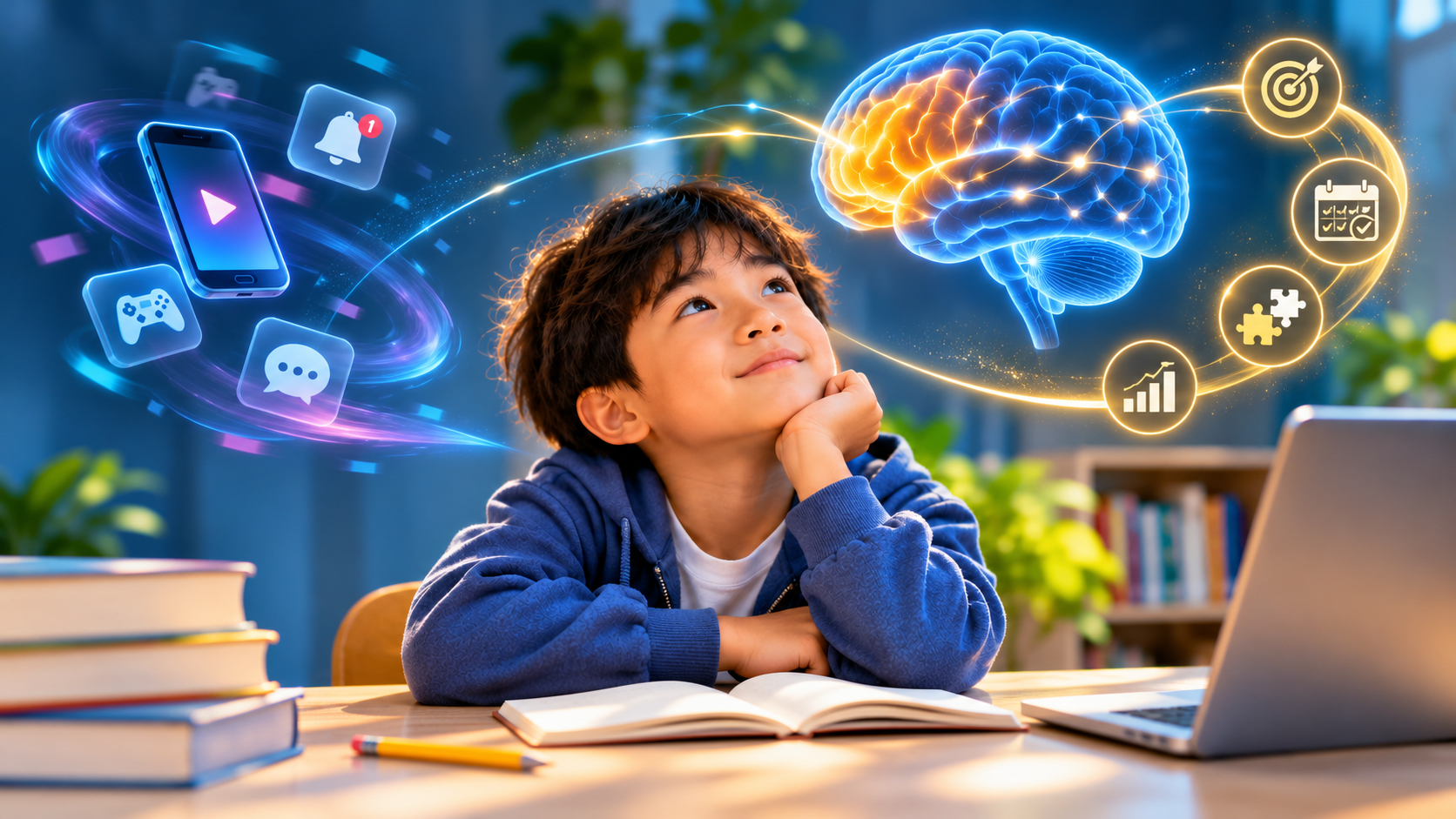
Digital platforms compete for children's attention. What does the research say, and how can education support executive function?

“Brain rot” became Oxford’s word of the year for a reason: it names something millions of parents already feel — […]
Meowsprout today announced that BrainArk®, its proprietary AI-powered learning-capacity training system, has completed an international randomized controlled trial (RCT), with findings published in the Journal of Intelligence, a Q1 international academic journal. The study confirms that after just six days of training, children showed significant improvements in working memory and inhibitory control — and, for the first time, a significant transfer effect to exact mathematical calculation.
Vancouver, British Columbia, Canada — 2026-03-18 — Meowsprout Therapeutics Corporation, a Neuro-AI platform for children, announced a strategic partnership with […]
t the core of Meowsprout’s recent progress in channel operations is a scalable virtual asset management model, designed to support the distribution of AI-powered cognitive training and membership-based digital products.
All virtual asset authorizations and activations are centrally managed through Meowsprout’s Digital Brain OS — a Neuro-AI operating system that unifies learning, behavioral, and developmental data. This system ensures consistency, traceability, and operational discipline across multiple distribution channels, enabling partners to scale without fragmenting user experience or data integrity.
By treating digital offerings as standardized virtual assets rather than one-off products, Meowsprout has built an infrastructure that decouples channel expansion from core intelligence, laying the foundation for long-term, ecosystem-driven growth.

Over the past four decades, the human brain has undergone a silent but profound shift—not in its biology, but in the volume and velocity of information it processes daily. While our genetic code hasn’t changed significantly in 10,000 years, our media environment has transformed radically in just 40. The result? An evolutionary mismatch between an ancestral brain and a hyper-digital world.