Your child walks upstairs to get something and comes back without it. They ask a question you answered five minutes ago. Homework gets interrupted by a notification, and suddenly they cannot remember what they were doing. For parents already worried about screens, these moments can sound […]
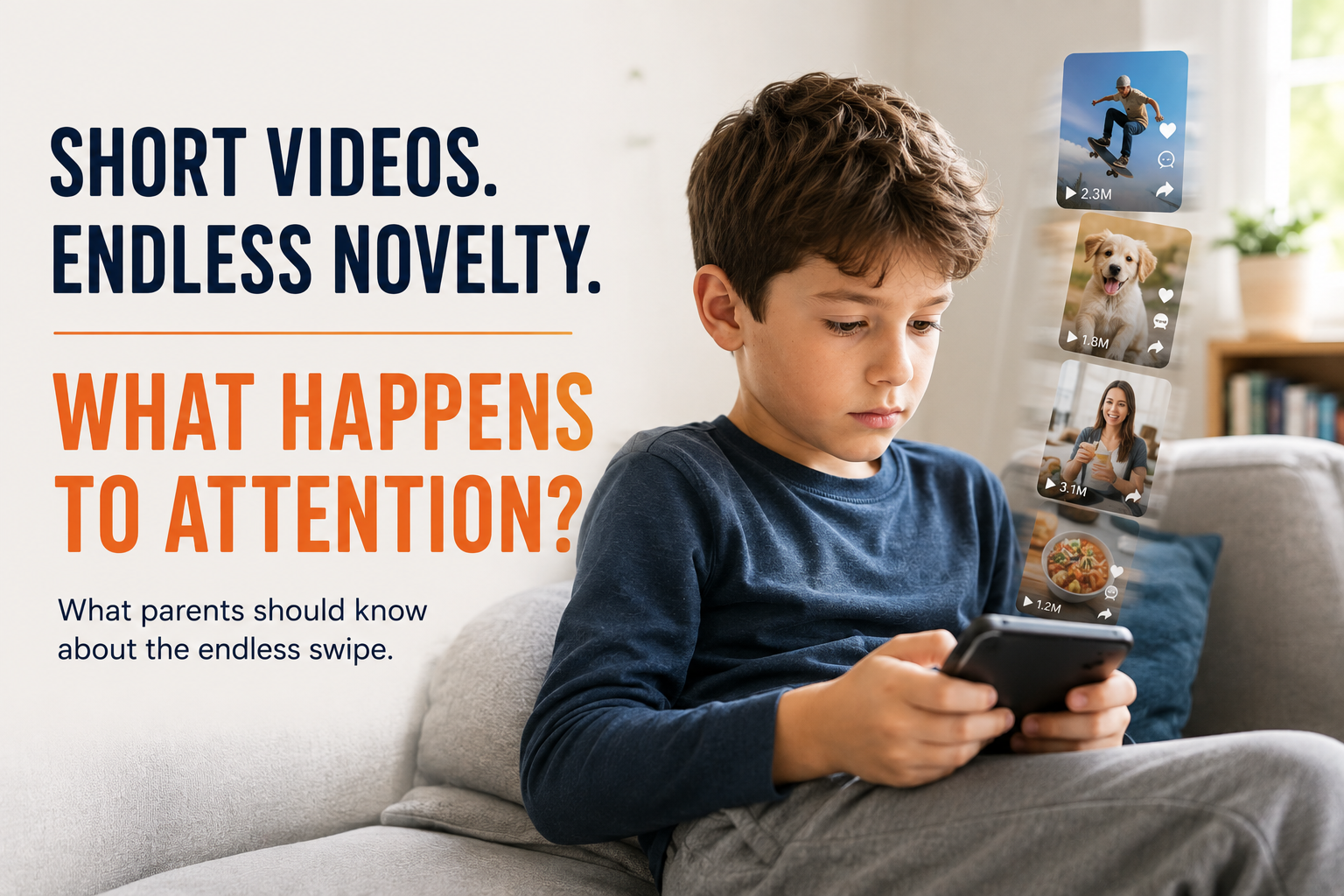
Short-form video has changed the rhythm of entertainment. A child can move through dozens of ideas, faces, jokes, sounds, products, stories, and emotional reactions in just a few minutes. If one video does not capture their interest immediately, a swipe brings the next one. For parents, […]
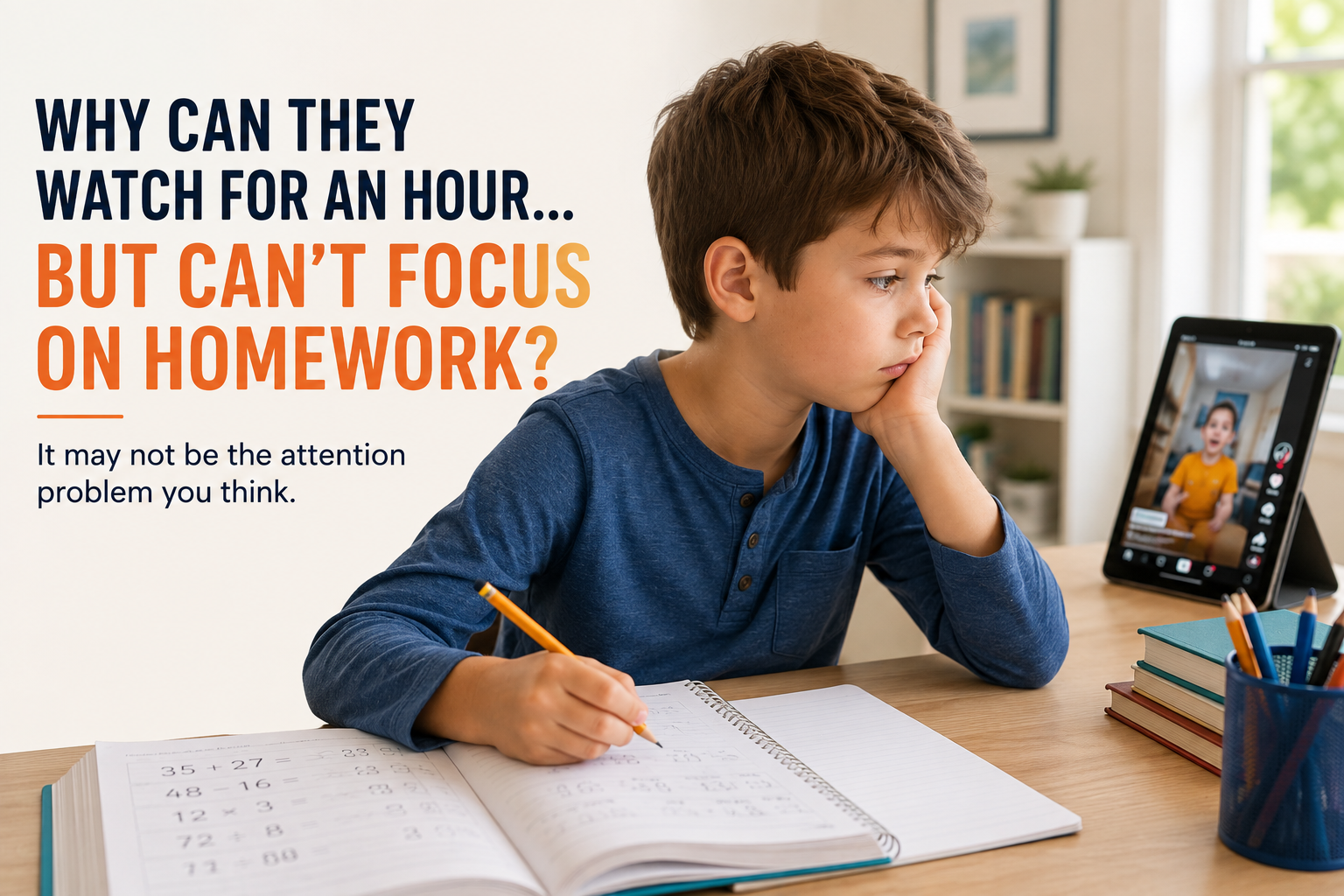
Many parents have seen the same strange contradiction. Your child can sit in front of YouTube for 45 minutes, completely absorbed. Ask them to do ten minutes of homework, however, and suddenly they are thirsty, hungry, tired, looking for a pencil, checking something across the room, […]
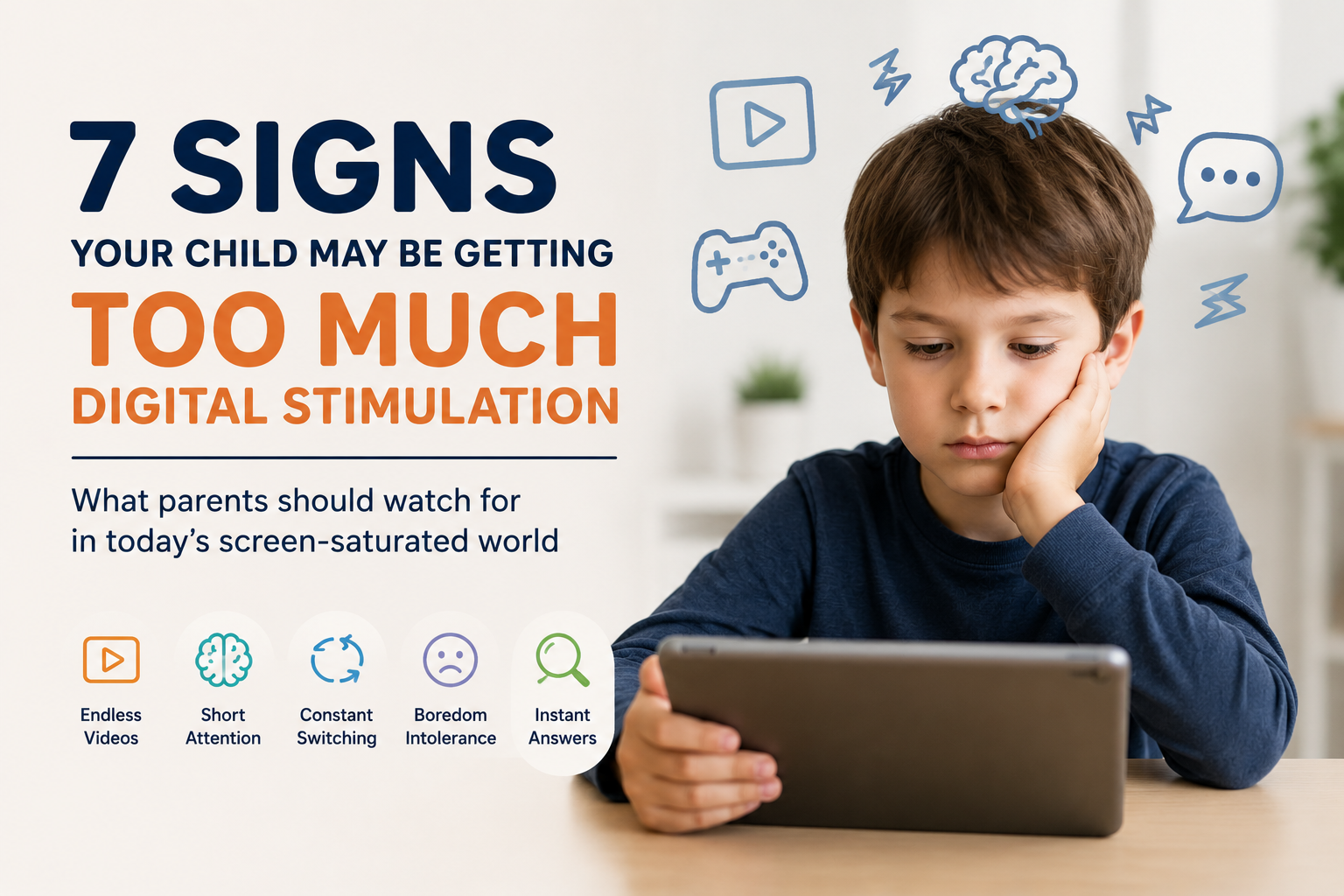
Your child puts down the tablet and immediately asks what they can watch next. Homework feels boring within minutes, but short videos can hold their attention much longer. A quiet car ride suddenly seems impossible without a screen. None of these behaviors automatically means something is […]
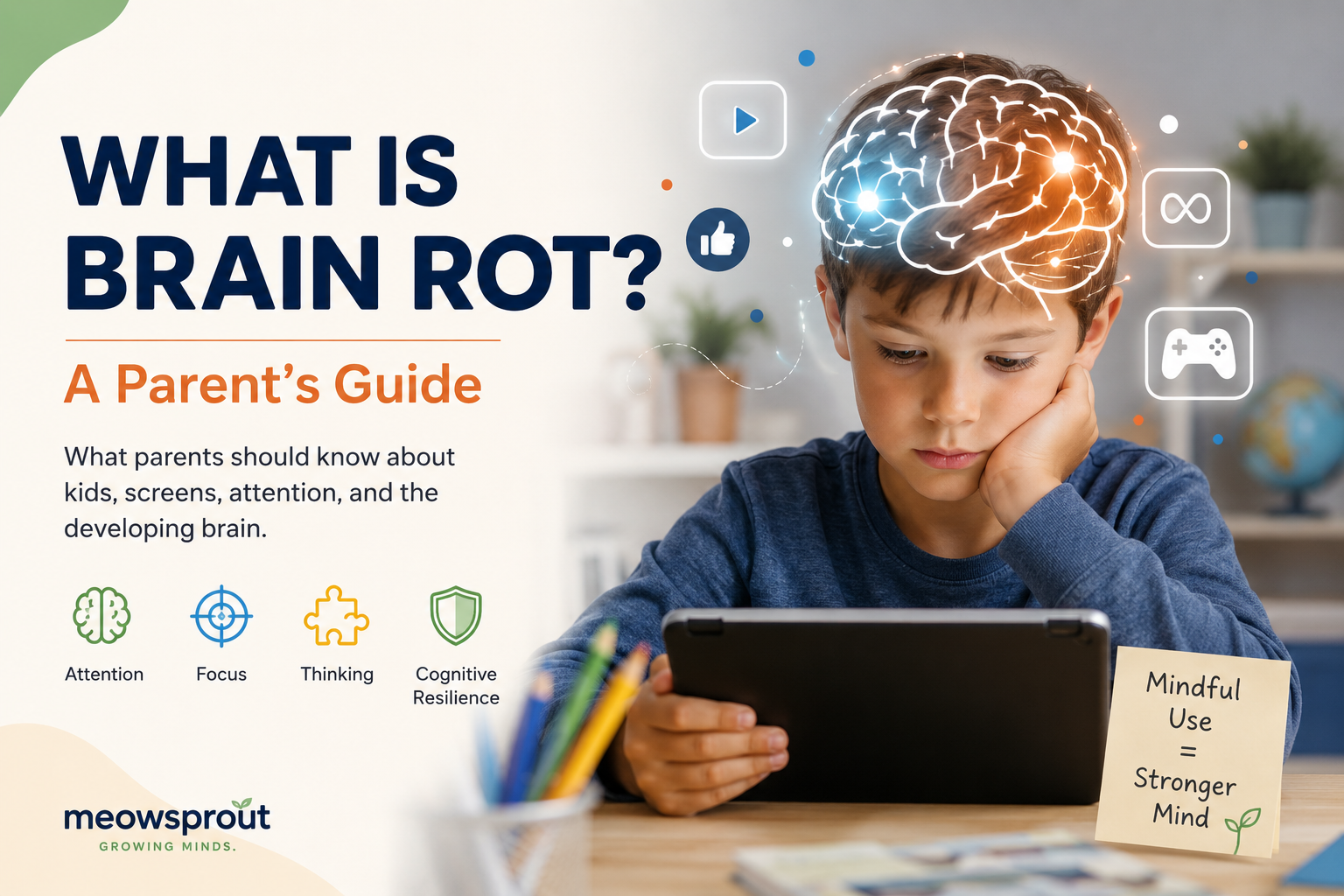
Your child can watch YouTube for 40 minutes, but ten minutes into homework, you hear, “I’m bored.” They can remember every detail of a game but forget what you asked them to bring from upstairs. When a question gets difficult, their first instinct may be to […]

“Brain rot” became Oxford’s word of the year for a reason: it names something millions of parents already feel — that endless scrolling is doing something to their children’s minds, and not something good. The term is crude, unscientific, half a joke. But the instinct behind […]
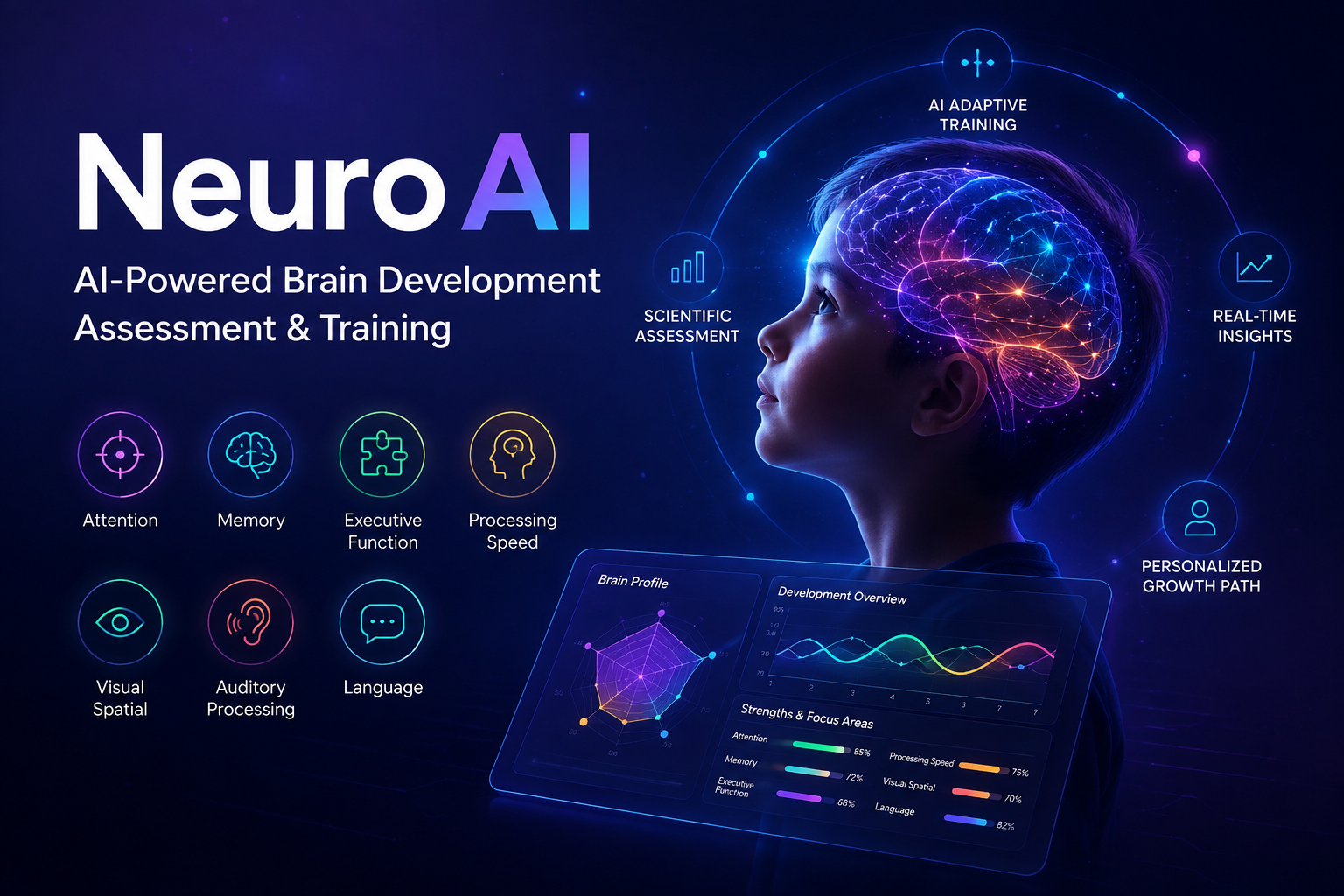
NeuroAI is emerging as one of the most important technology frontiers at the convergence of neuroscience and artificial intelligence. Driven by rapid advances in AI, digital biomarkers, brain-computer interfaces (BCIs), neurotechnology, and computational neuroscience, the NeuroAI ecosystem is expanding beyond traditional healthcare into education, consumer technology, robotics, and human performance.

Meowsprout today announced that BrainArk®, its proprietary AI-powered learning-capacity training system, has completed an international randomized controlled trial (RCT), with findings published in the Journal of Intelligence, a Q1 international academic journal. The study confirms that after just six days of training, children showed significant improvements in working memory and inhibitory control — and, for the first time, a significant transfer effect to exact mathematical calculation.
Vancouver, British Columbia, Canada — 2026-03-18 — Meowsprout Therapeutics Corporation, a Neuro-AI platform for children, announced a strategic partnership with Family Tutor (Rootmath) to expand BrainArk through distribution, community operations, and bundled learning packages in the North American after-school learning market. Under the agreement, Rootmaths will […]
t the core of Meowsprout’s recent progress in channel operations is a scalable virtual asset management model, designed to support the distribution of AI-powered cognitive training and membership-based digital products.
All virtual asset authorizations and activations are centrally managed through Meowsprout’s Digital Brain OS — a Neuro-AI operating system that unifies learning, behavioral, and developmental data. This system ensures consistency, traceability, and operational discipline across multiple distribution channels, enabling partners to scale without fragmenting user experience or data integrity.
By treating digital offerings as standardized virtual assets rather than one-off products, Meowsprout has built an infrastructure that decouples channel expansion from core intelligence, laying the foundation for long-term, ecosystem-driven growth.
Together, Let’s Build a Better Future for Every Child.
Together with families, educators, healthcare professionals, and partners, we’re shaping the future of childhood brain development.