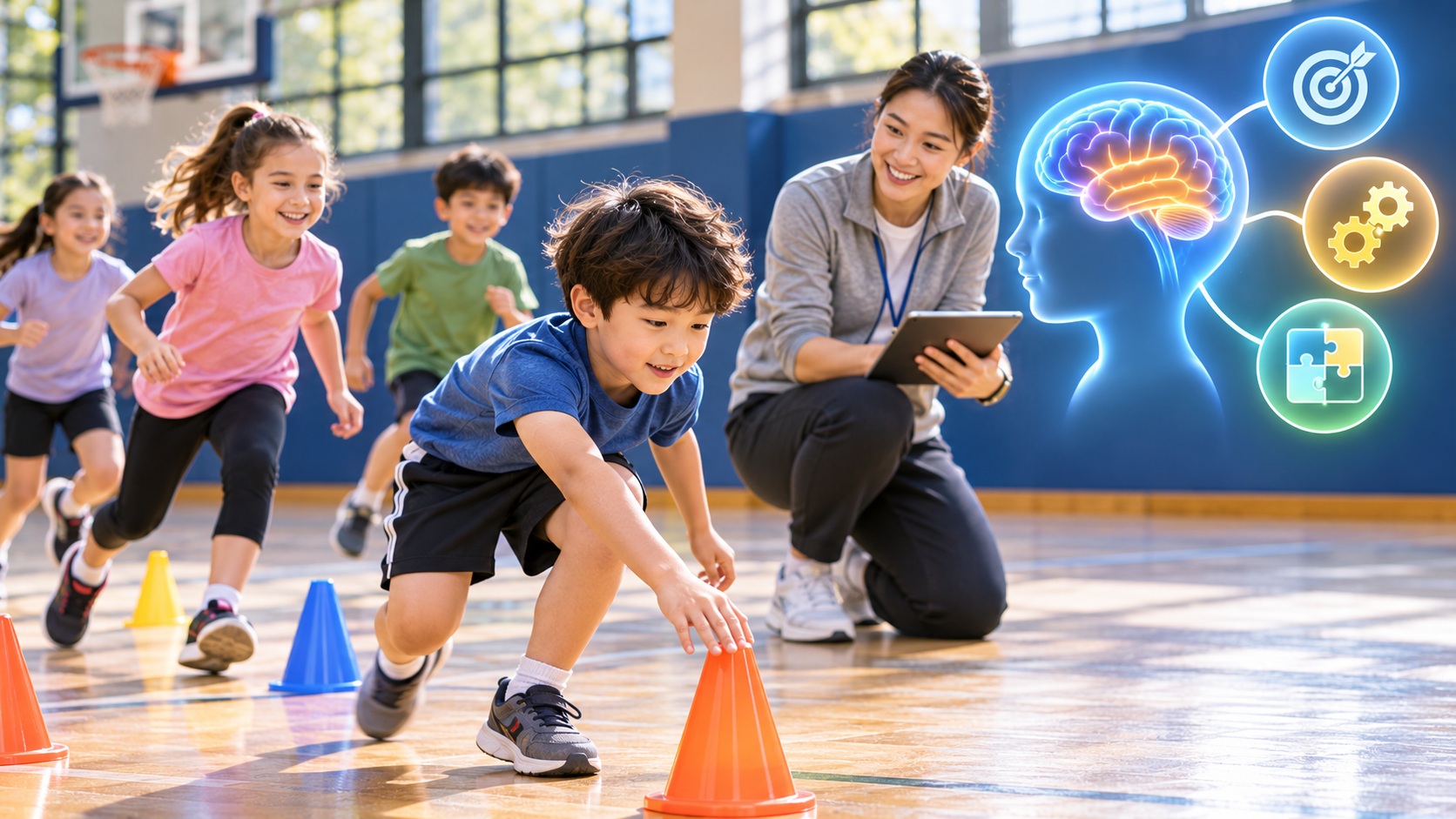
Children practice self-control when they pause before acting, follow a changing rule, or resist a familiar response. Games can create these challenges naturally. A newly published randomized trial gives educato

A school might want students to search the web without receiving AI-written answers. Google's latest K–12 policy makes that choice harder than it sounds. The announcement highlights a wider issue for educators:
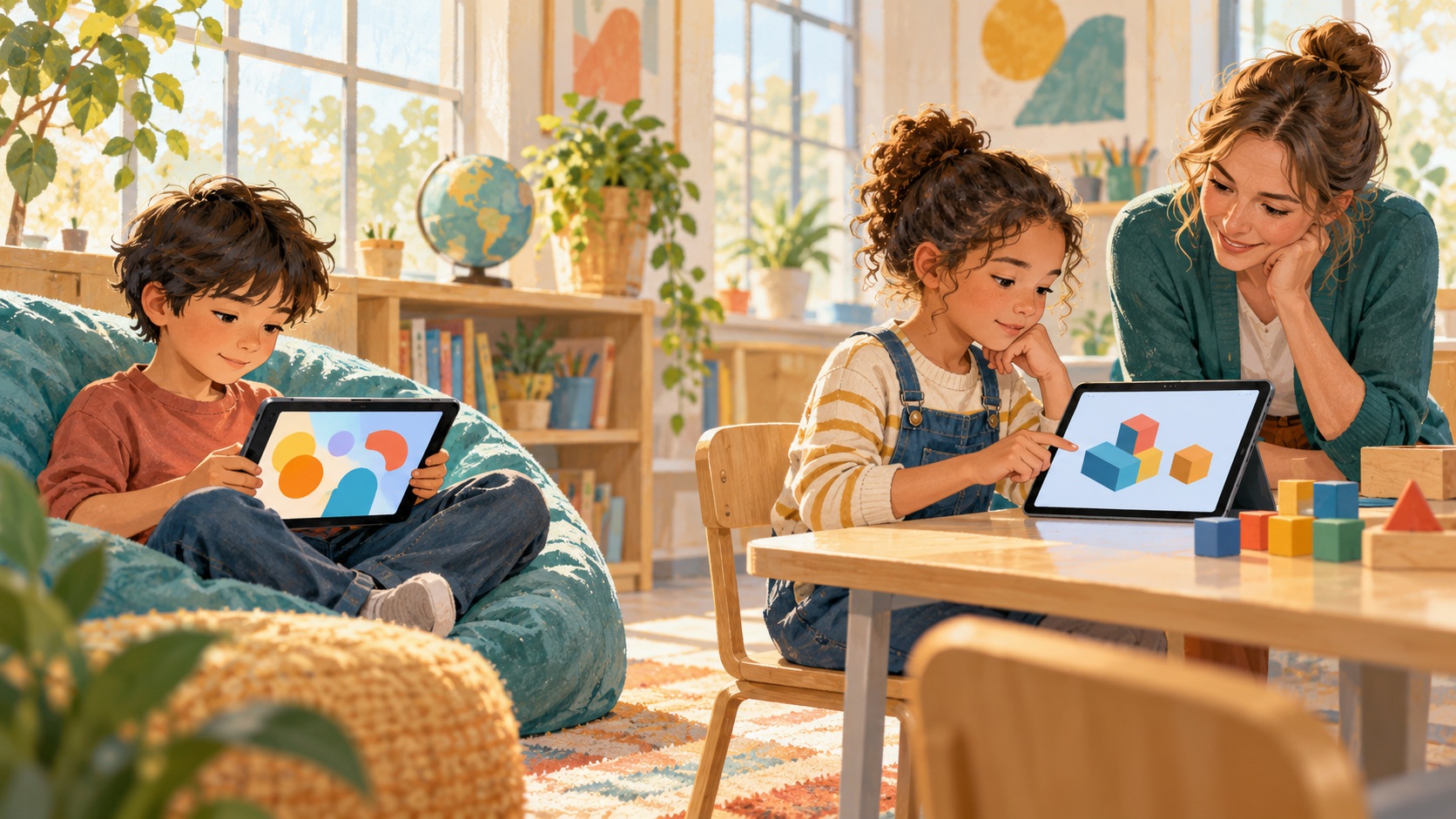
The educational label tells families little about what a child does on screen. Look at the task, adult guidance, stopping points and the evidence behind the claims.
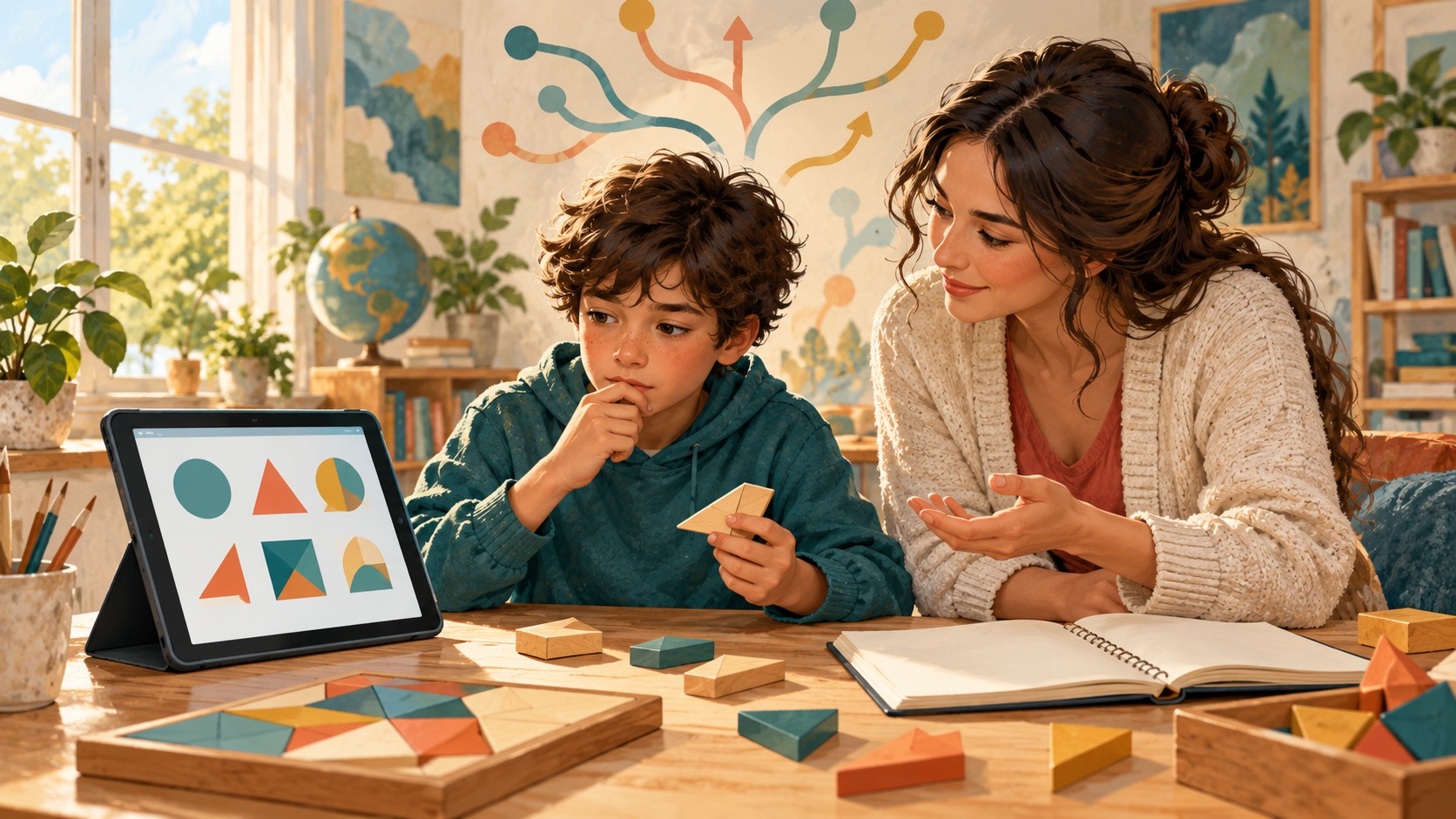
A new US survey finds that nearly half of 9–12-year-olds have used an AI chatbot or companion. Here is a practical way to keep children thinking for themselves.
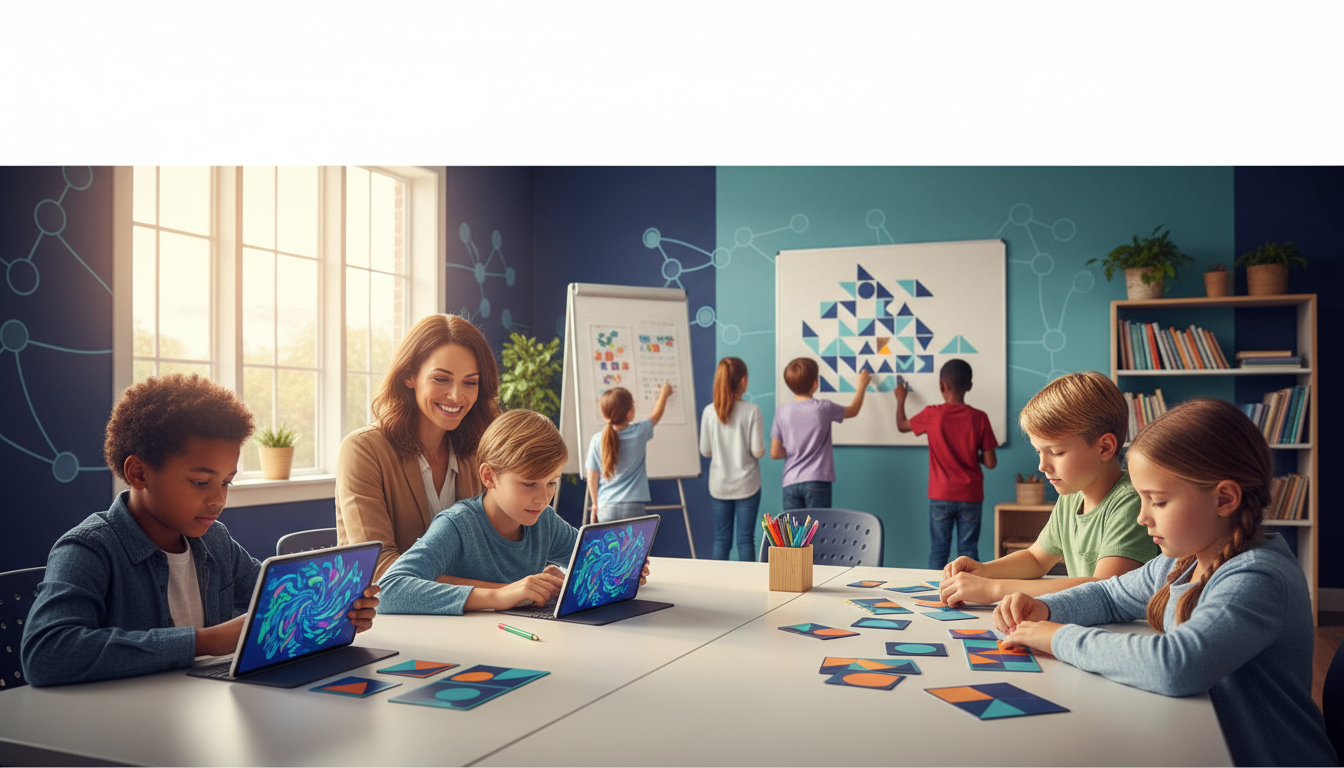
Discover BrainArk’s 24-session, teacher-guided cognitive training course for learning centers, combining AI-adaptive practice with collaborative challenges and parent resources.
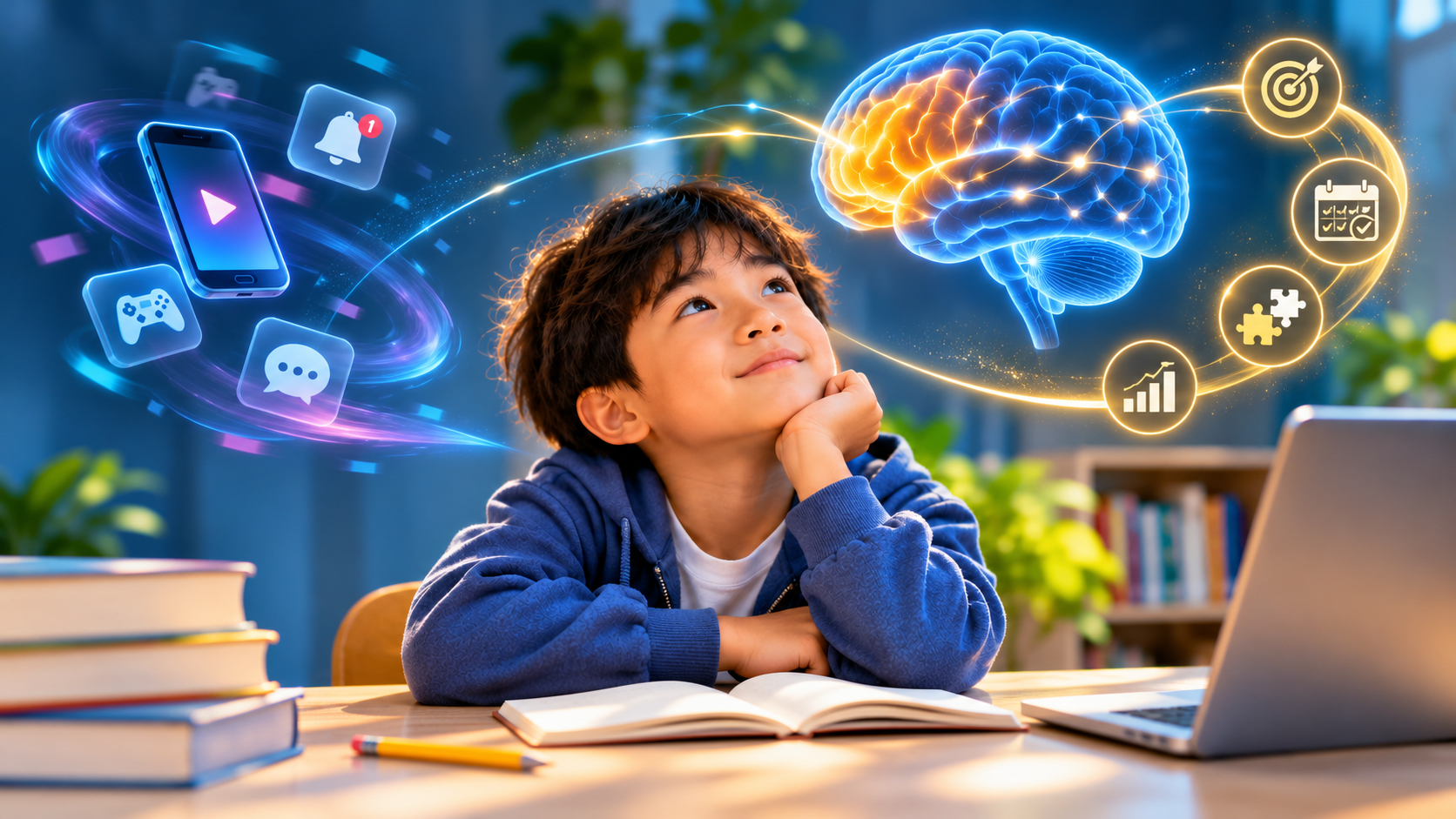
Digital platforms compete for children's attention. What does the research say, and how can education support executive function?
Your child walks upstairs to get something and comes back without it. They ask a question you answered five minutes […]
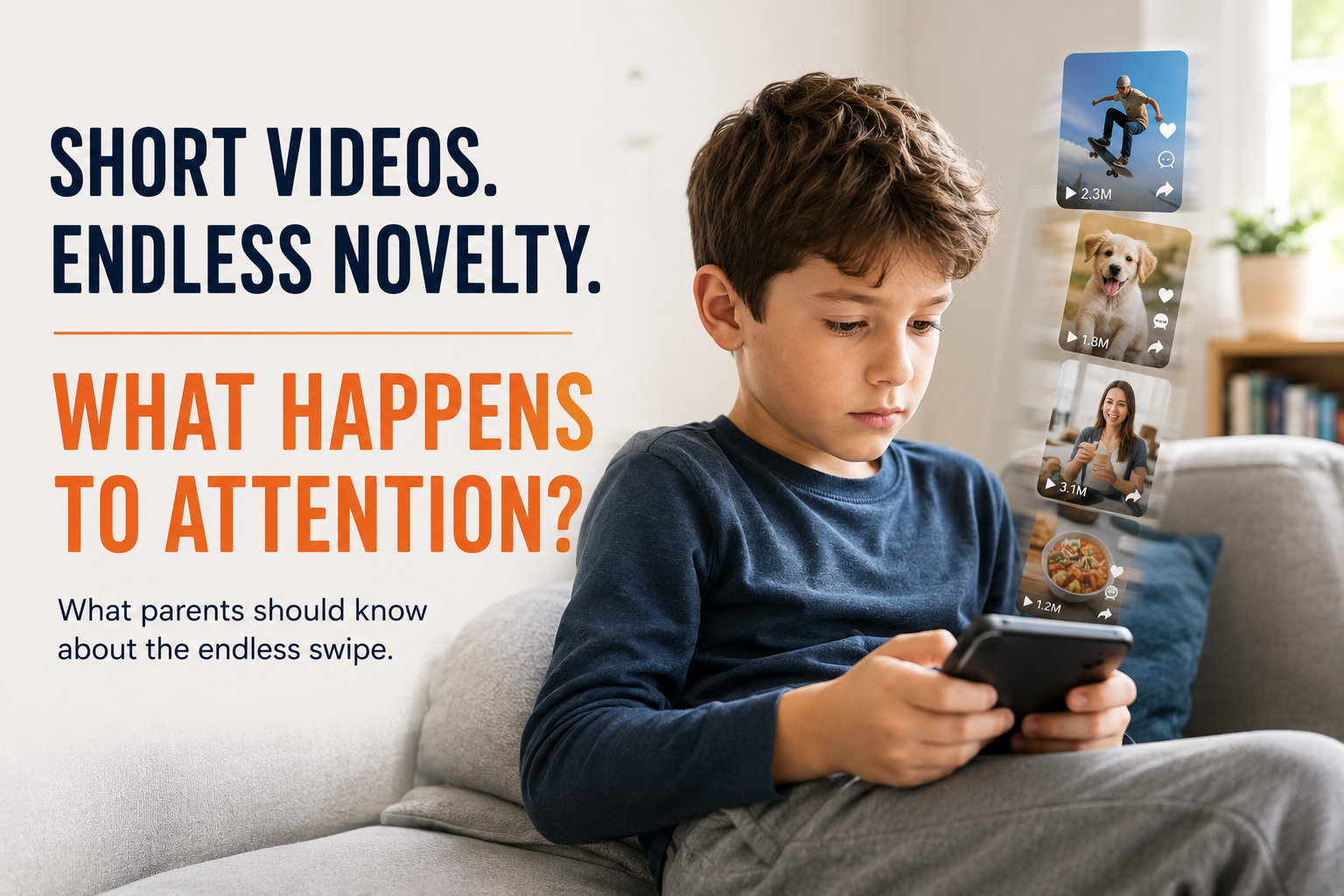
Short-form video has changed the rhythm of entertainment. A child can move through dozens of ideas, faces, jokes, sounds, products, […]
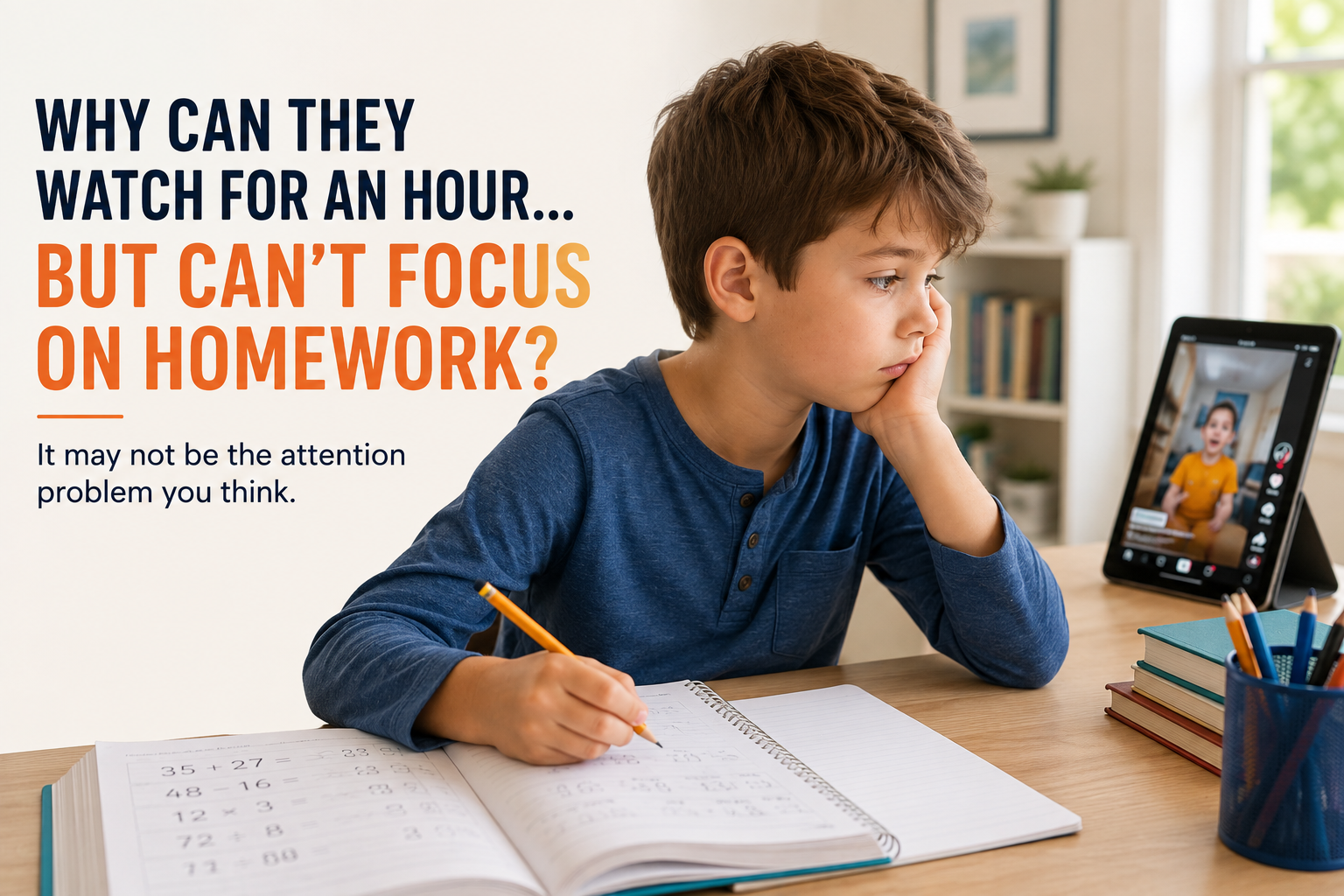
Many parents have seen the same strange contradiction. Your child can sit in front of YouTube for 45 minutes, completely […]
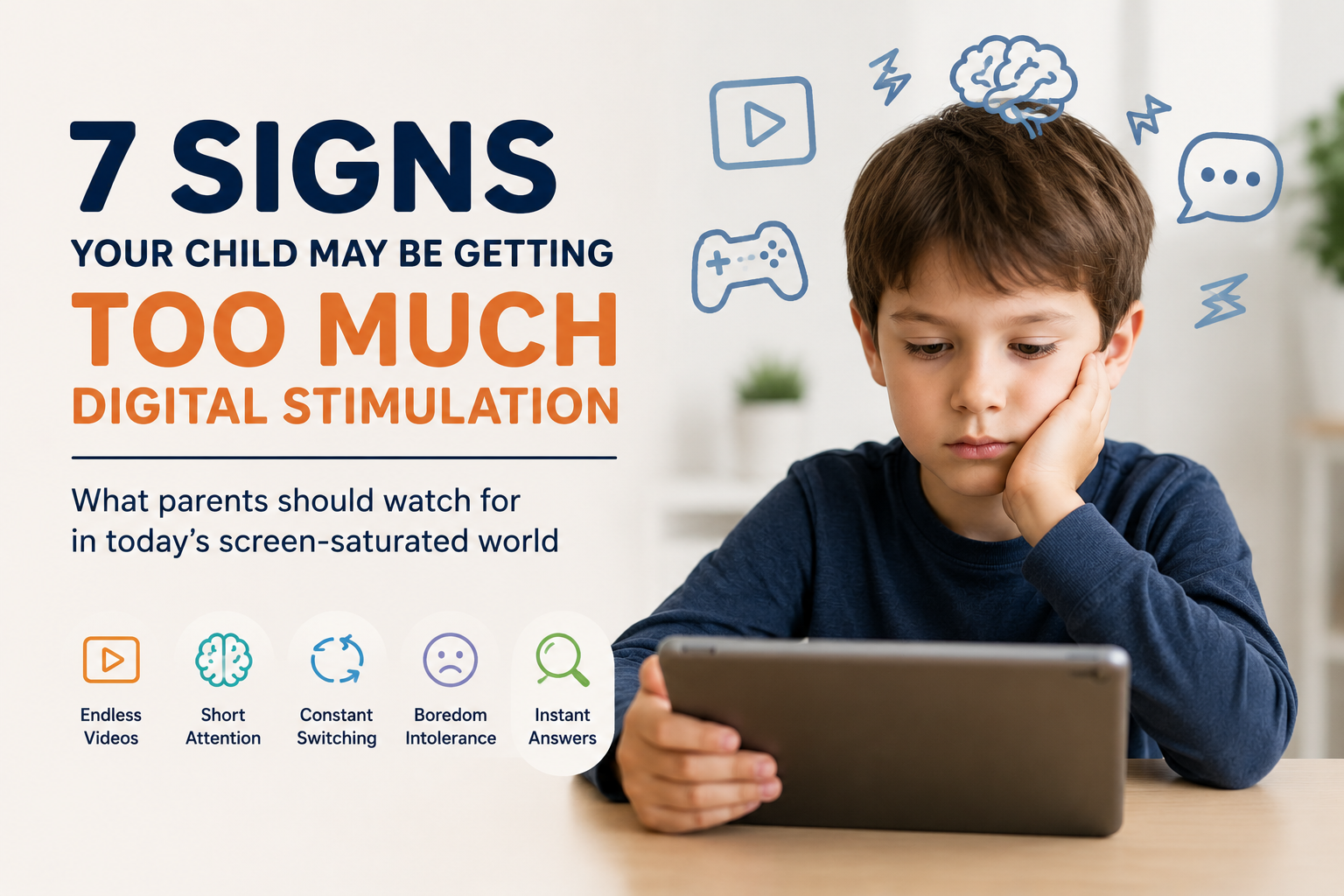
Your child puts down the tablet and immediately asks what they can watch next. Homework feels boring within minutes, but […]